When Is the Best Time to Visit Iceland: Midnight Sun or Northern Lights?
6 min read

For a first trip built around waterfalls and long day tours, choose June to August and book the Golden Circle full-day tour with Kerid Crater. For Northern Lights, choose a stay between late August and mid-April and reserve the Northern Lights bus tour with hot cocoa near your first evening. If you want a genuine compromise, September offers darkening nights without the shortest winter days. There is no month that delivers both midnight brightness and an aurora-dark sky.
Choose summer for usable hours, not guaranteed sunshine
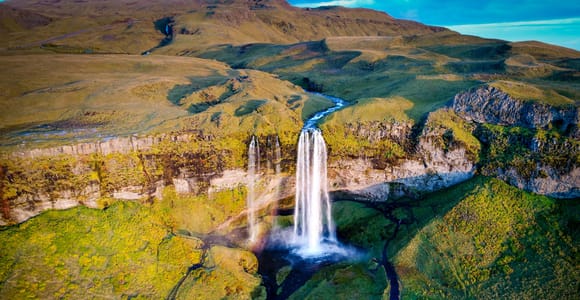
Around June, Reykjavík’s sun dips only briefly below the horizon and the sky does not become fully dark. That gives a traveller room for an unhurried dinner after a day trip and makes road itineraries easier to pace. It does not guarantee calm, dry weather. Wind and rain remain part of Iceland, so carry waterproof layers even when the forecast looks friendly.
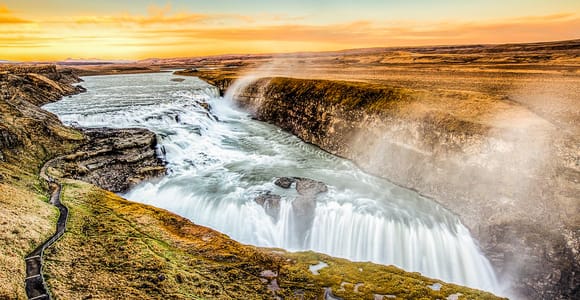
The Golden Circle tour is listed at 7–8.5 hours, from €83 per person, with 4.8 stars from 28,284 reviews. It visits Þingvellir, the Geysir area and Gullfoss, with Kerid Crater added to the circuit. Summer light suits those stops particularly well because the day does not feel squeezed by an early sunset. The trade-off is a fixed coach schedule at places where you might otherwise linger.
See dates and prices for the Golden Circle full-day tour
Choose darkness for the Northern Lights
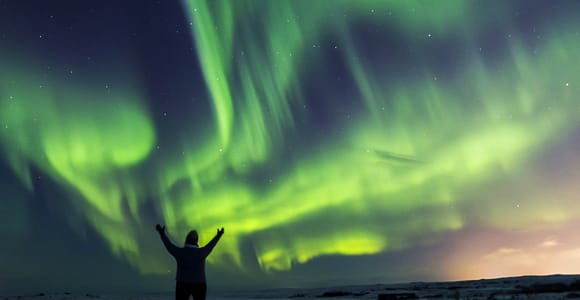
Aurora travel needs darkness, clear sky and solar activity. The season runs roughly from late August to mid-April. That is a visibility window, not a promise. The Northern Lights bus trip lasts 4 hours, starts at €76 per person and has 4.2 stars from 15,718 reviews. It takes away the need to drive beyond city light at night, while still leaving the result to nature.
Check availability for the Northern Lights bus tour
Late December brings only about four to five hours of daylight in Reykjavík. That can be beautiful for low winter light, but it limits how many distant sights fit comfortably into one day. March restores much longer days while retaining dark nights; September moves in the opposite direction, from summer towards aurora season. Those transition months are stronger compromises than hoping for both extremes at once.
Match the month to the trip
Families who need predictable bedtimes usually get more from summer light than from late aurora departures. Photographers seeking snow and darkness may prefer winter despite the reduced road freedom. Travellers who dislike changing plans should avoid building the whole holiday around one weather-sensitive phenomenon. Reykjavík’s museums, geothermal pools and food scene work in every month and make useful reserves.
For self-driving, daylight is only one variable. Check umferdin.is and the Icelandic Met Office each day, especially outside summer. A rental booking never confirms that a road is suitable on the morning you want it.
My recommendation for most first-time visitors is summer and the Golden Circle full-day tour: it maximises usable touring time and covers the classic landscape without asking you to drive. Choose the aurora season instead only when seeing the Northern Lights matters more than long daylight.